CLOUD
VULNERABILITY
SCANNING

Automate your cloud security.
Achieve full visibility across your cloud systems.
Cut down on your cloud security costs.

Discover what our customer have to say

How switching to continuous scanning helped

Learn how Vullify helped British Red Cross Training expand their insight into security and streamline their vulnerability management process.

How switching to continuous scanning helped

Learn how Vullify helped British Red Cross Training expand their insight into security and streamline their vulnerability management process.

How switching to continuous scanning helped

Learn how Vullify helped British Red Cross Training expand their insight into security and streamline their vulnerability management process.

How switching to continuous scanning helped

Learn how Vullify helped British Red Cross Training expand their insight into security and streamline their vulnerability management process.

How switching to continuous scanning helped

Learn how Vullify helped British Red Cross Training expand their insight into security and streamline their vulnerability management process.

How switching to continuous scanning helped

Learn how Vullify helped British Red Cross Training expand their insight into security and streamline their vulnerability management process.

click to read all vullify reviews

Always stay aware of new cloud systems

Internet-facing infrastructure, weak credential management, and an expanding attack surface across multiple providers make cloud platforms vulnerable to security breaches.

Vullify's cloud vulnerability scanner helps eliminate these risks by showing you what attackers see. It identifies live assets, automatically discovers new cloud services, and runs vulnerability scans whenever changes occur, making it easy to reduce your attack surface.

eyes
Question mark

What does a cloud vulnerability scanner do?

A cloud security scanner identifies vulnerabilities in internet-facing systems and services hosted in the cloud.

It safely probes from an untrusted internet location to detect issues such as exposed systems, information leaks, weak encryption, misconfigurations, common errors, remotely vulnerable software, and missing patches.

Cloud vulnerability management tools like Intruder integrate with your cloud accounts to automatically discover and scan newly deployed services.

Trusted by industry leaders

Dell TechnologiesXfinityGoFundMe
GapLouis VuittonNash

Discover how simple cloud
vulnerability scanning can be.

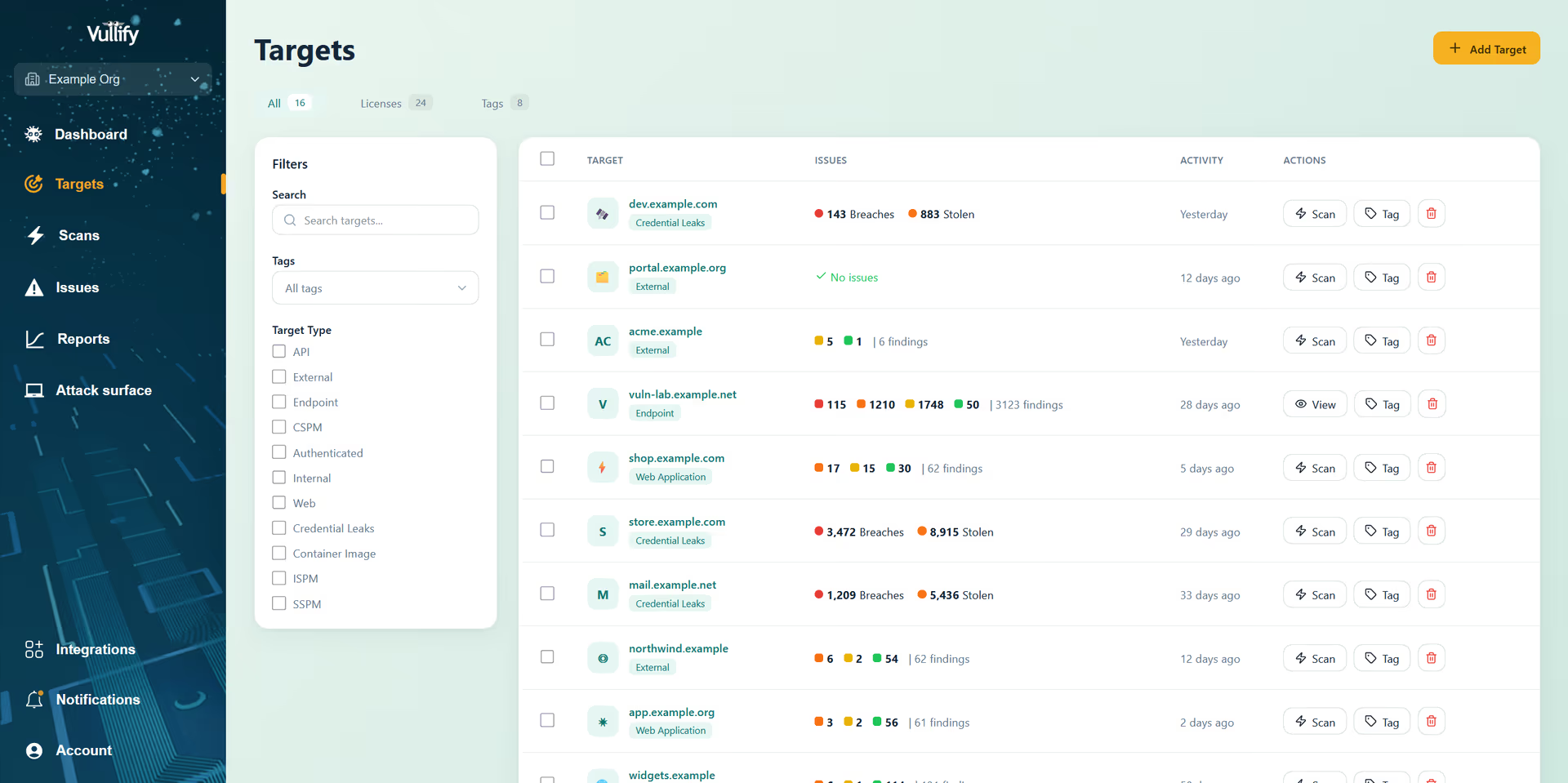
Targets dashboard

Automated vulnerability
management for
your cloud

Connect all of your cloud environments together in a single view. Schedule scans at optimal times whilst you receive notifications through Slack, Teams, or email about any changes or vulnerabilities across your attack surface.

A+ grade
Connect seamlessly with AWS, Azure, Cloudflare and GCP
Push tickets directly to Jira, Github, Azure DevOps and more
Leveraging the power of leading search engines
Scan now

Track your attack
surface in real time

Reduce your exposure window. Let Vullify automatically detect new internet-facing services and trigger vulnerability scans whenever changes occur. Our emerging threat scans identify newly released vulnerabilities, highlighting weaknesses with in hours.

Detects new hostnames and IPs on a 2-minute cycle
Always-on automated scans to detect new threats
Relied upon by thousands of businesses across the globe

Keep cloud security
costs under control

Vullify's cloud scanner automatically identifies and removes systems that are no longer needed. Use import rules to scan only the assets that matter, and we convert your cloud tags into Intruder tags for streamlined target management.

Add IP address
Pay only for what you need with Smart Recon
Tag targets with ease in just 3 simple steps
Adjust scanning settings for your cloud assets

Stop attacks
before they spread

With over 65 new vulnerabilities discovered every day, most businesses lack the time or expertise to keep up. Vullify protects organizations of all sizes from both known and emerging threats. When attackers spot new vulnerabilities, we're already on it—scanning your systems to keep them secure.

Hackers design

Frequently asked questions

Below are common questions about external vulnerability scanning and cloud security along with some answers and useful tips

External vulnerability scanning tests your internet-facing systems and services from an attacker's perspective, without requiring network access or credentials. It identifies vulnerabilities that can be exploited from the internet, such as exposed services, outdated software, misconfigured firewalls, and unpatched systems.

Cloud environments are constantly changing with new instances, services, and configurations being deployed. External scanning helps you maintain visibility of your cloud attack surface, ensuring that new assets are automatically discovered and scanned for vulnerabilities. This is especially critical in cloud environments where assets can be created and exposed to the internet quickly.

Vullify integrates with AWS, Azure, and Google Cloud Platform to automatically discover new external IP addresses, hostnames, and services as they are added to your cloud accounts. You can configure automatic scanning of new assets and set rules to control what gets imported and scanned.

External scanning detects a wide range of vulnerabilities including exposed services and ports, outdated software versions, missing security patches, misconfigured cloud services, exposed databases, insecure API endpoints, and weak encryption configurations. It also identifies potential attack vectors that could be exploited by attackers.

External scanning tests your systems from the internet without authentication, simulating how an attacker would approach your infrastructure. Internal scanning uses authenticated access to test systems from within your network. Both are essential: external scanning finds vulnerabilities accessible to attackers, while internal scanning finds issues that exist after a breach.

Yes, Vullify's external scanning can identify cloud misconfigurations such as publicly accessible S3 buckets, exposed databases, open security groups, and improperly configured cloud services. These misconfigurations are a leading cause of cloud security breaches.

We recommend continuous external scanning. Your attack surface changes constantly as new services are deployed, IP addresses change, and configurations are modified. Continuous scanning ensures that new vulnerabilities are detected immediately, reducing your window of exposure to potential attacks.

Yes, Vullify supports scanning across multiple cloud providers simultaneously. You can connect AWS, Azure, and Google Cloud Platform accounts, and Vullify will automatically discover and scan assets across all your cloud environments from a single unified dashboard.

When Vullify detects a critical vulnerability, it immediately sends alerts through your configured notification channels (email, Slack, Teams, etc.). Critical findings are prioritized in the dashboard with detailed information about the vulnerability, its potential impact, and step-by-step remediation guidance. You can also configure custom alerting rules based on severity and asset criticality.

Sign up for your free

14 day trial

Vullify is easy to use, simple to understand, and always on so you can fix vulnerabilities faster.